Complete Property Restoration
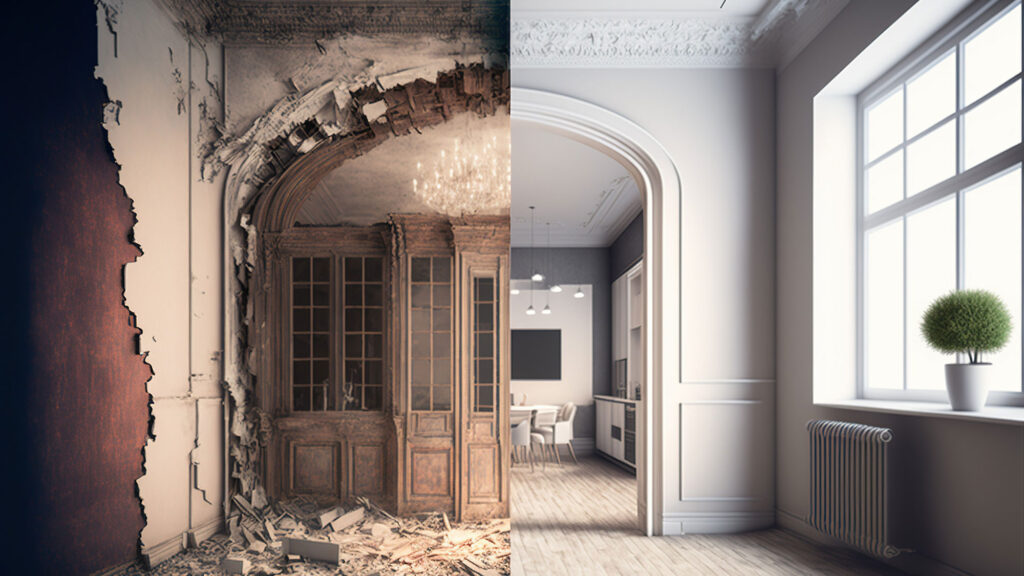
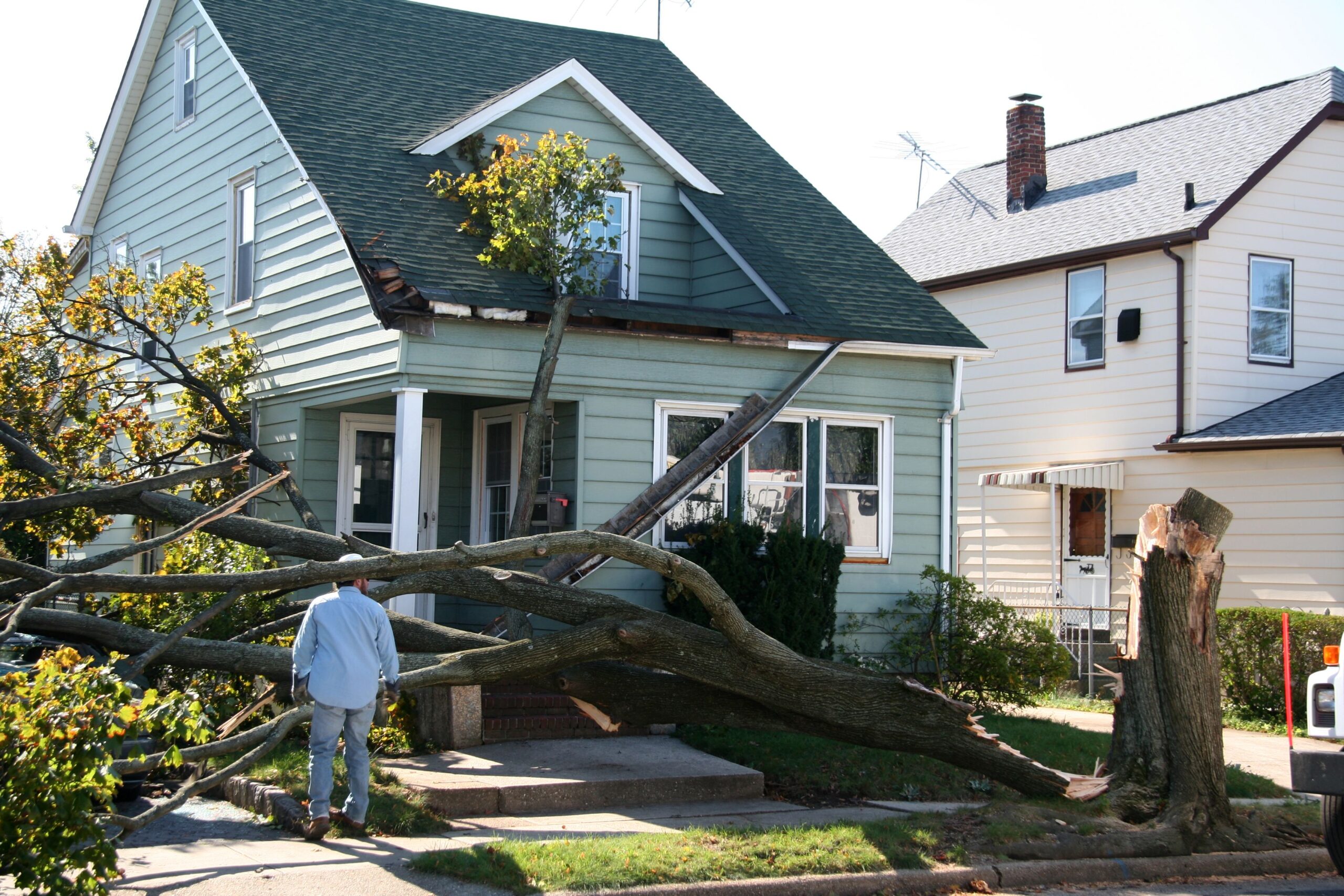
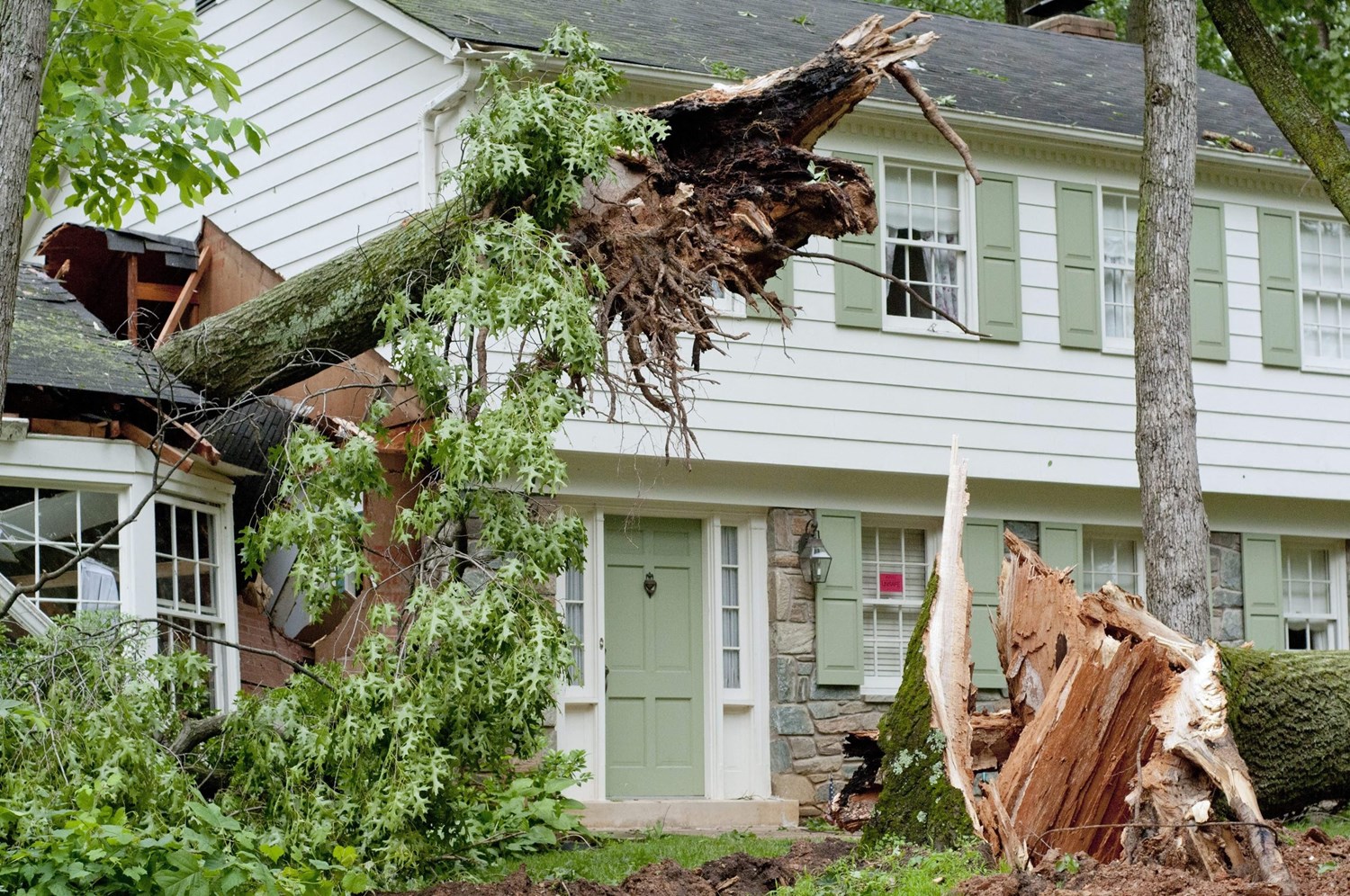
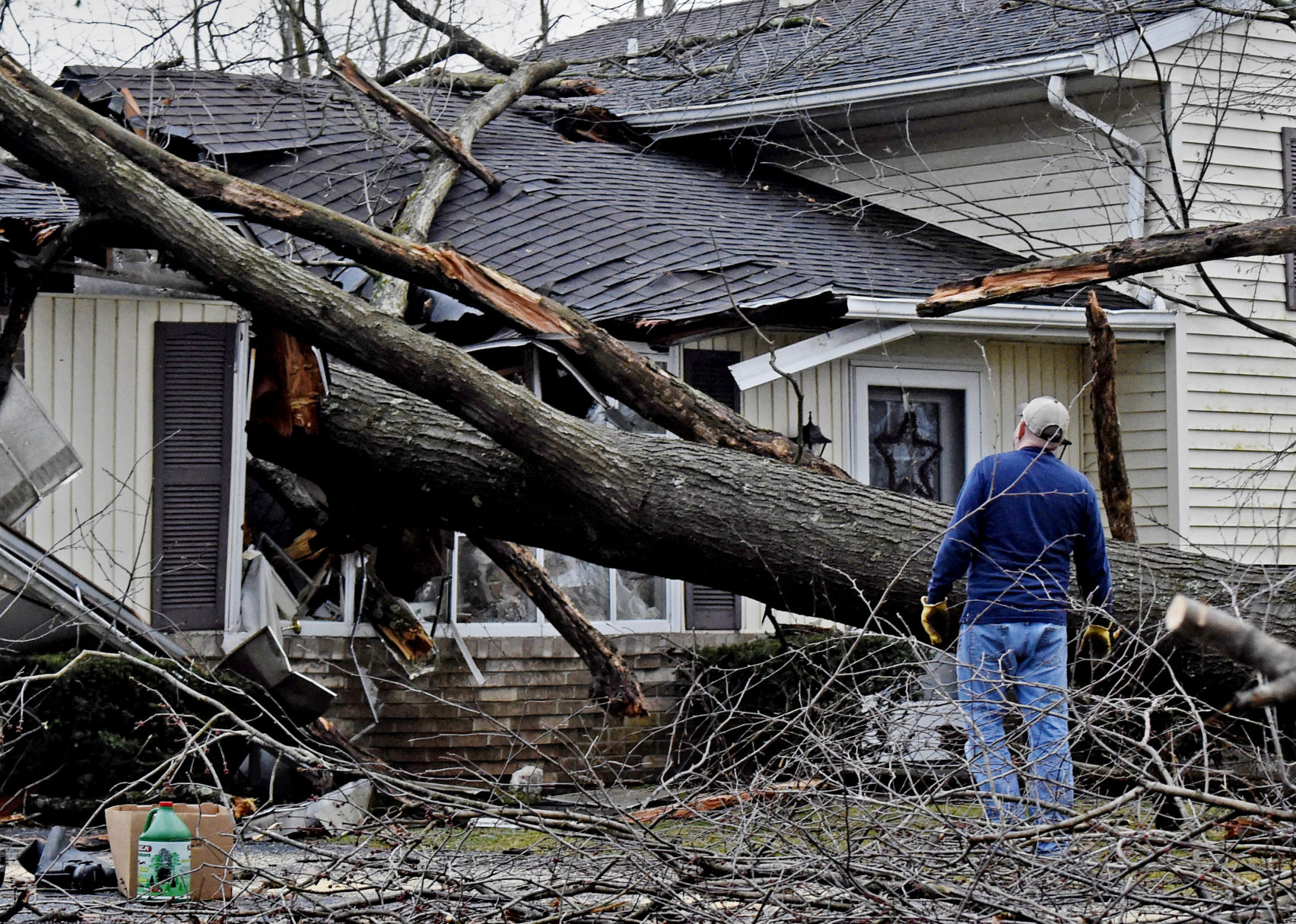
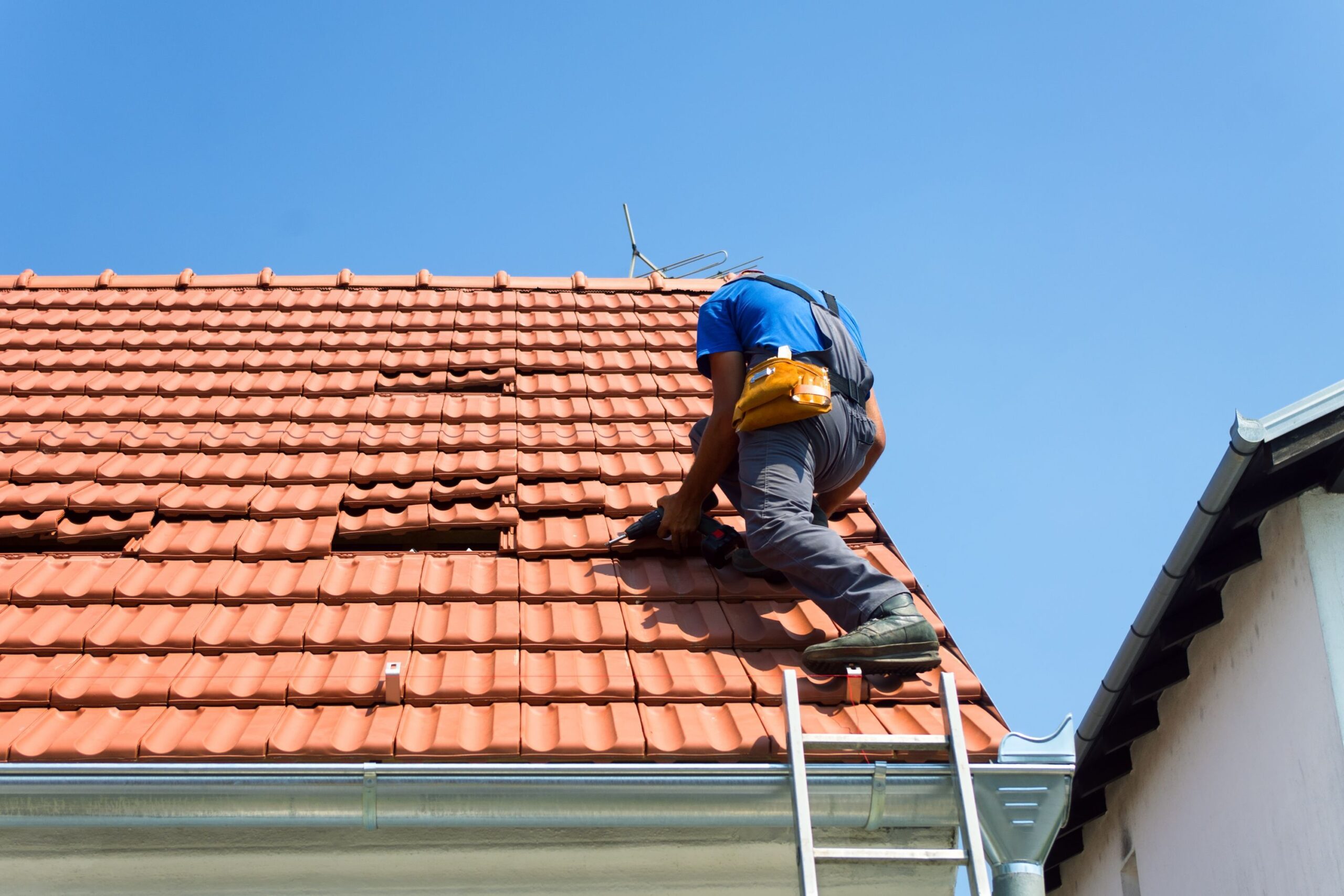
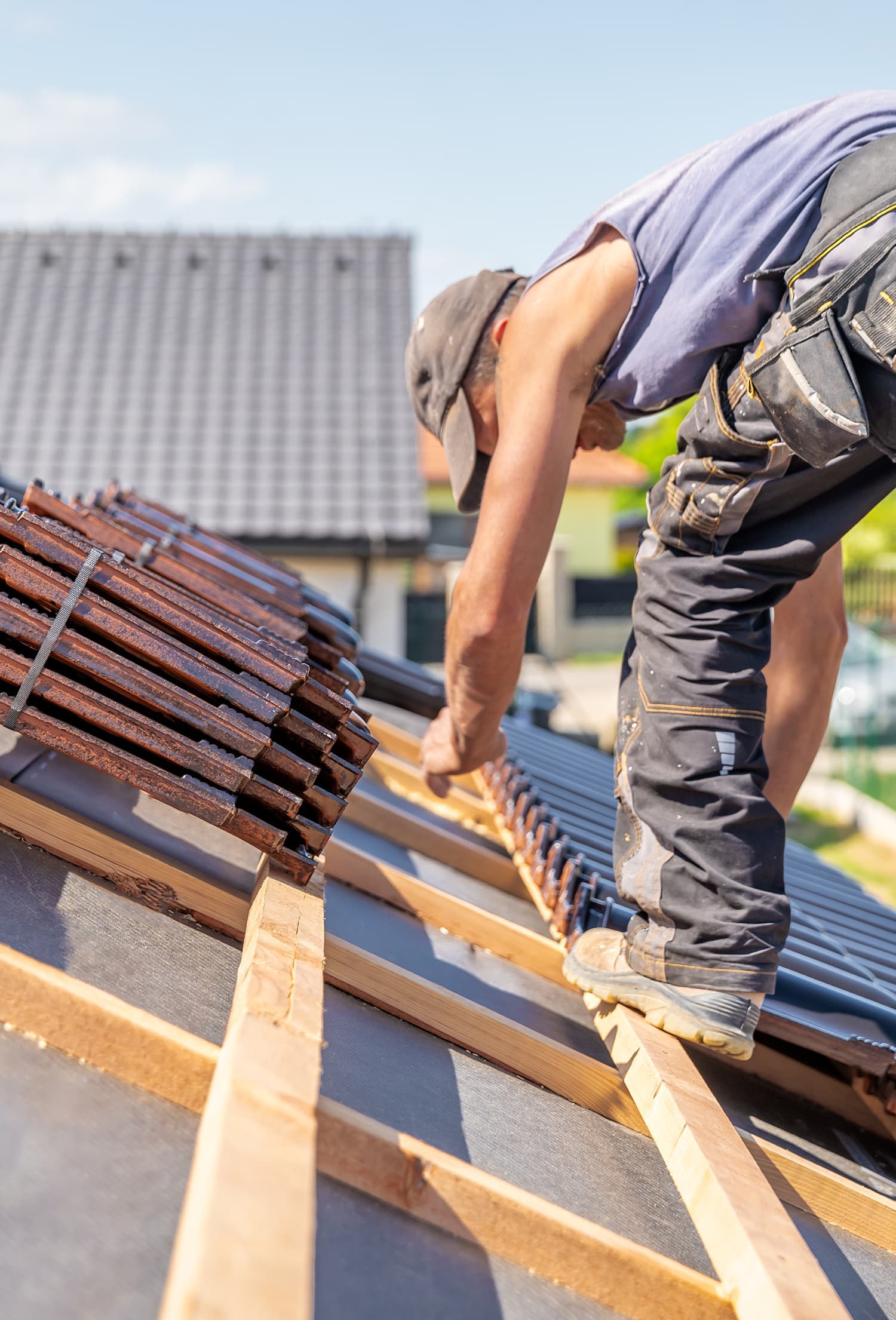
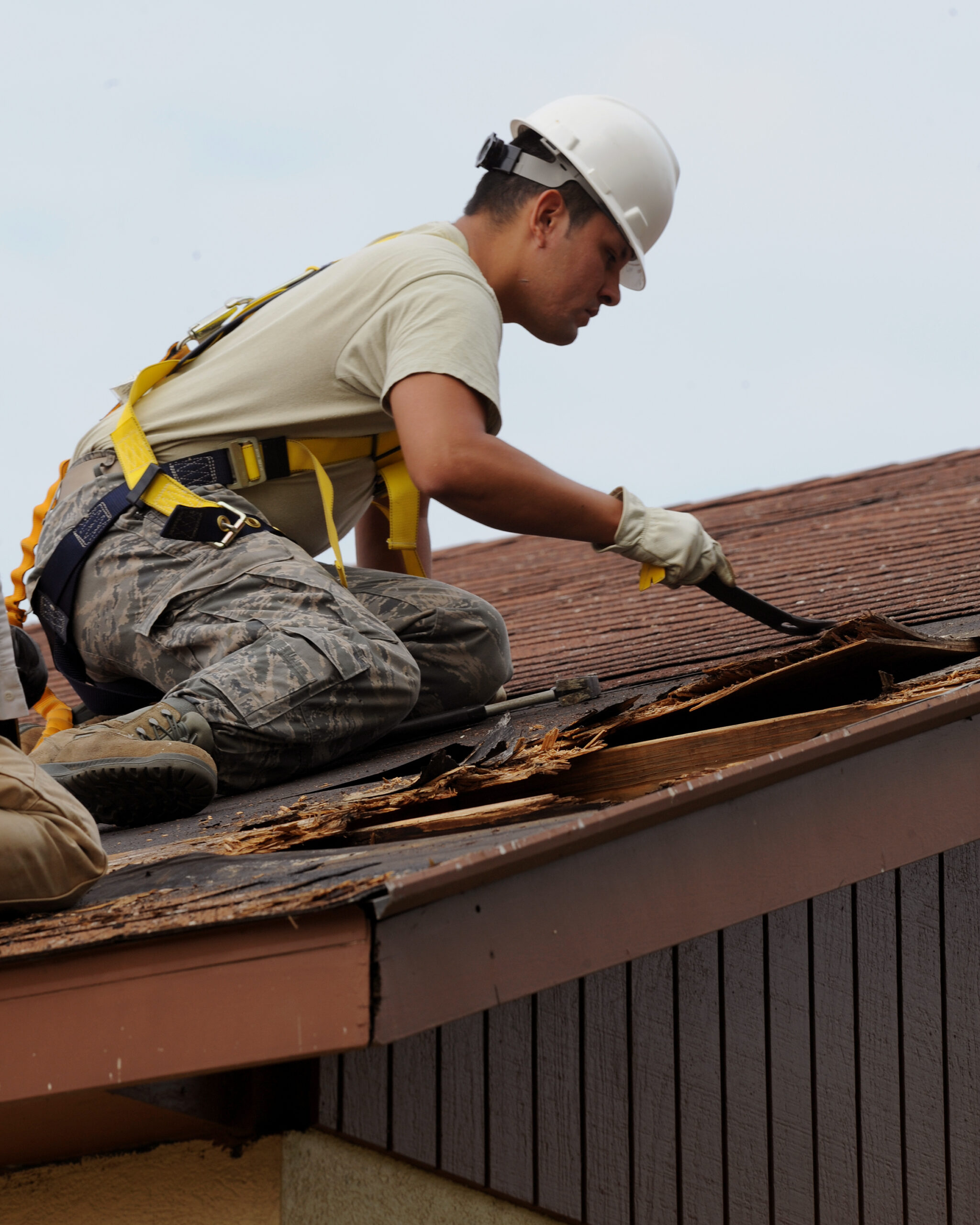
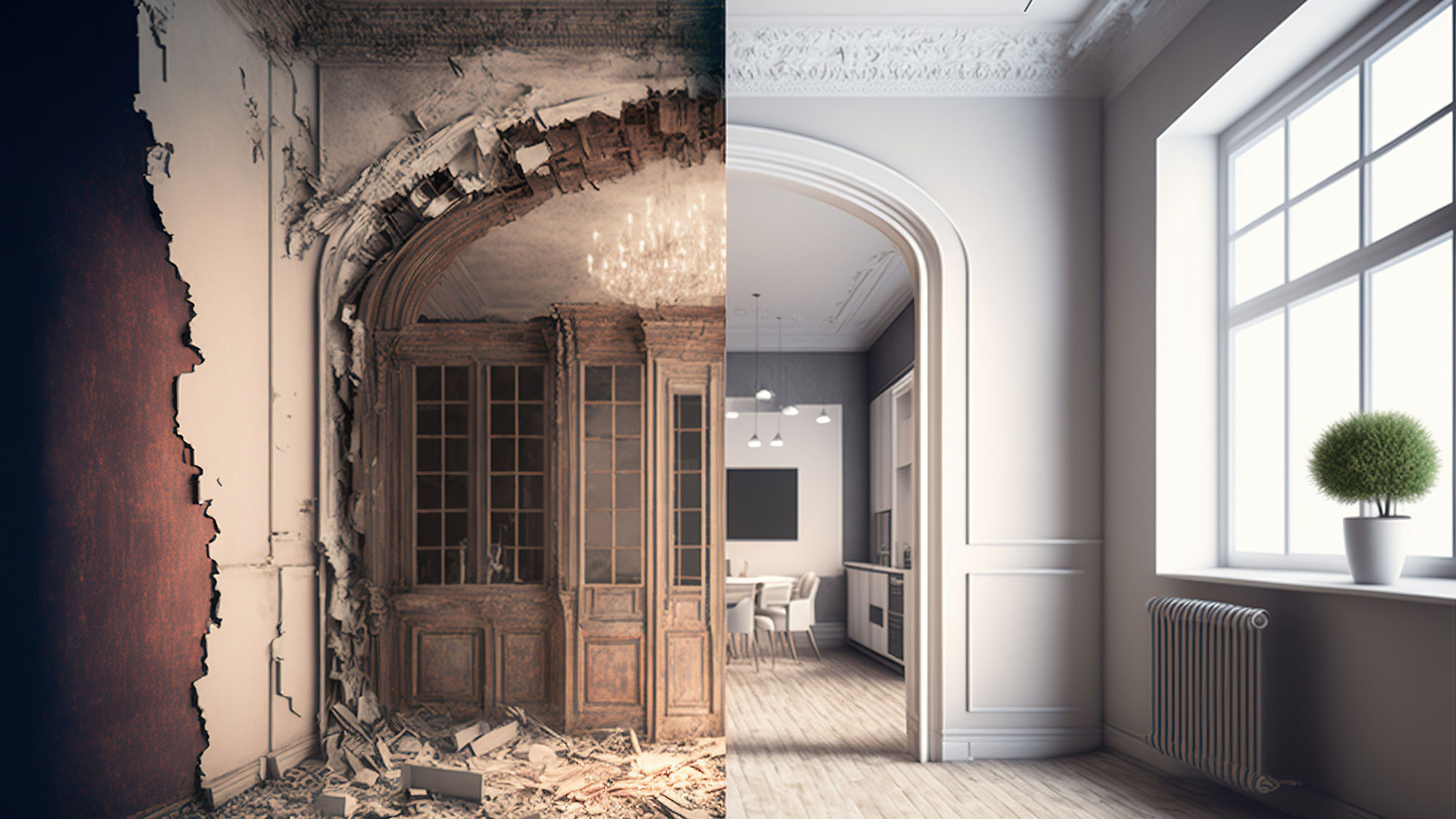
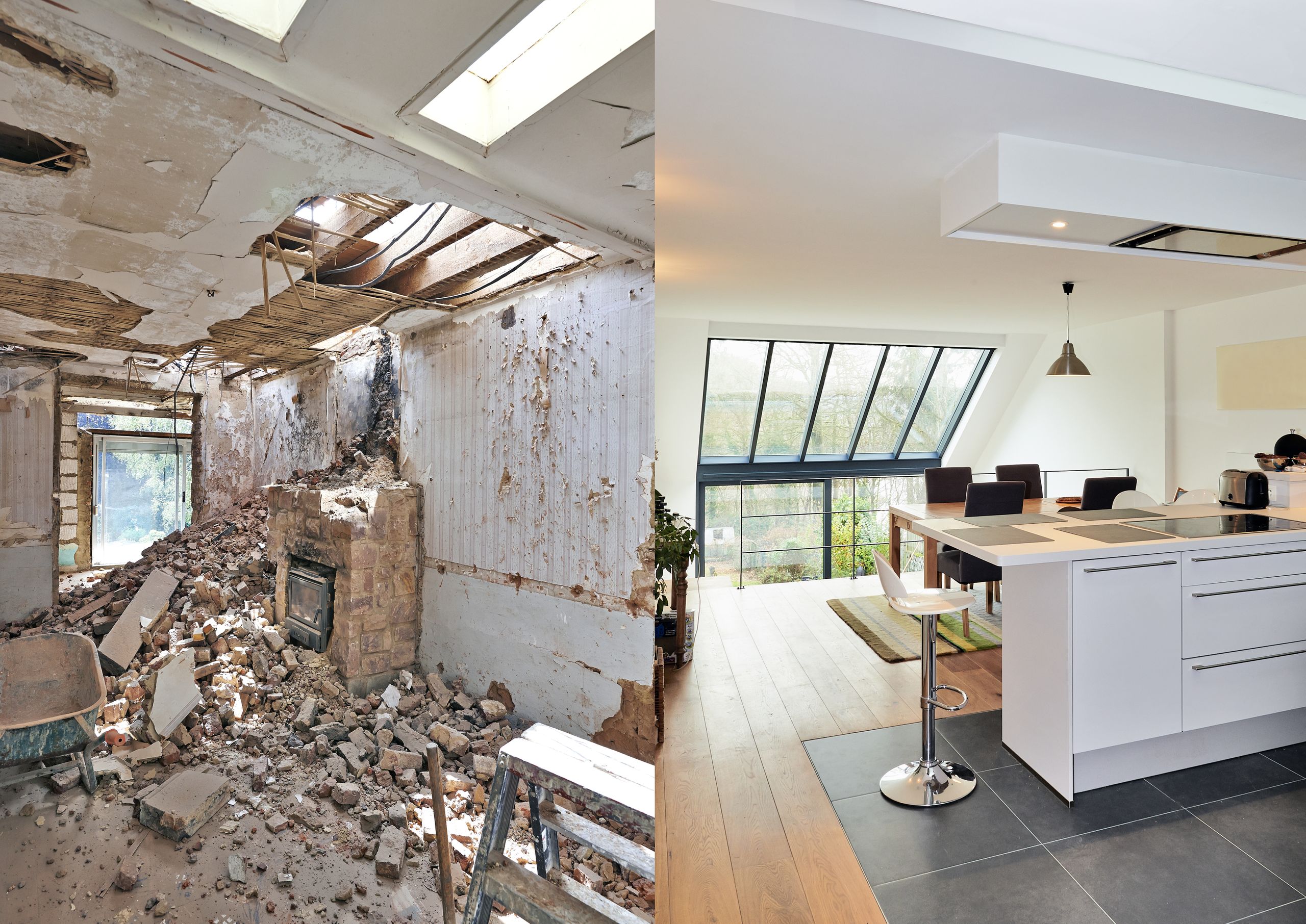
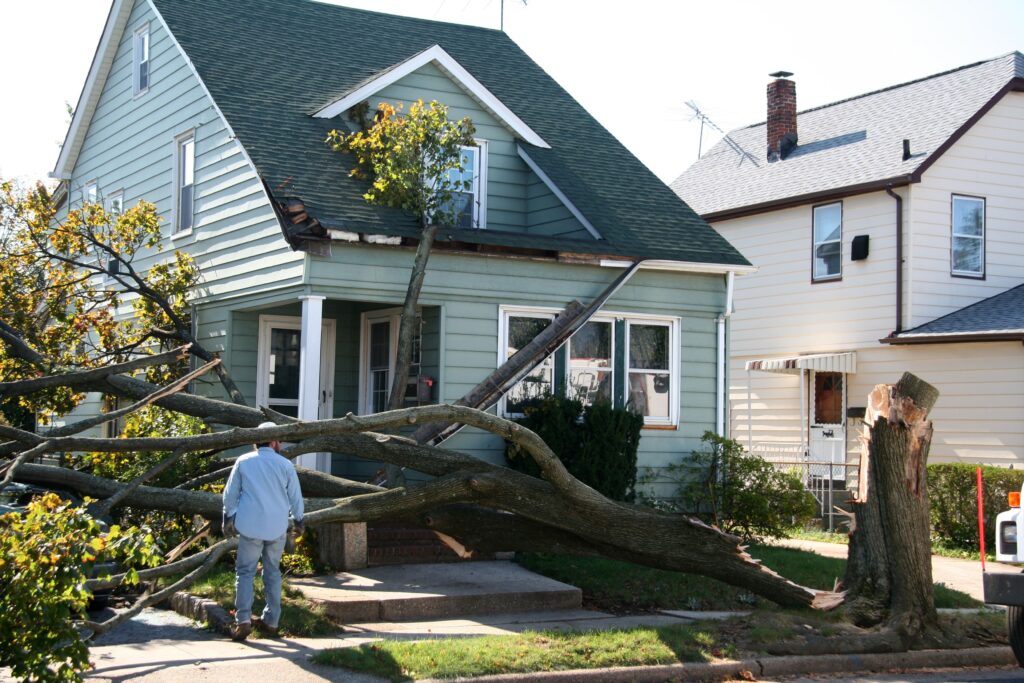
When disaster hits your Dripping Springs property, whether it's water damage from well system failures or plumbing issues in homes far from city water, fire damage, storm destruction across open hillsides, or mold problems in properties where humidity and poor ventilation create issues, you need restoration services that understand Hill Country properties. We're talking full property restoration: immediate damage control addressing unique challenges of rural properties, water or debris extraction possibly involving longer setup times in remote locations, thorough drying accounting for property construction and terrain, repairing salvageable materials, and rebuilding what's beyond repair.
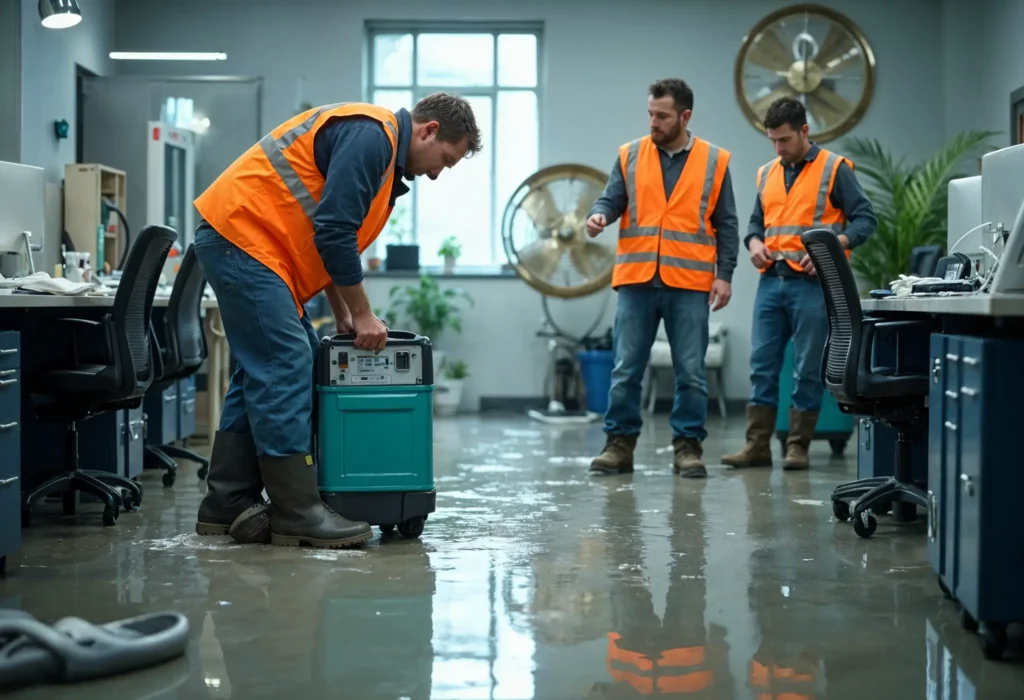
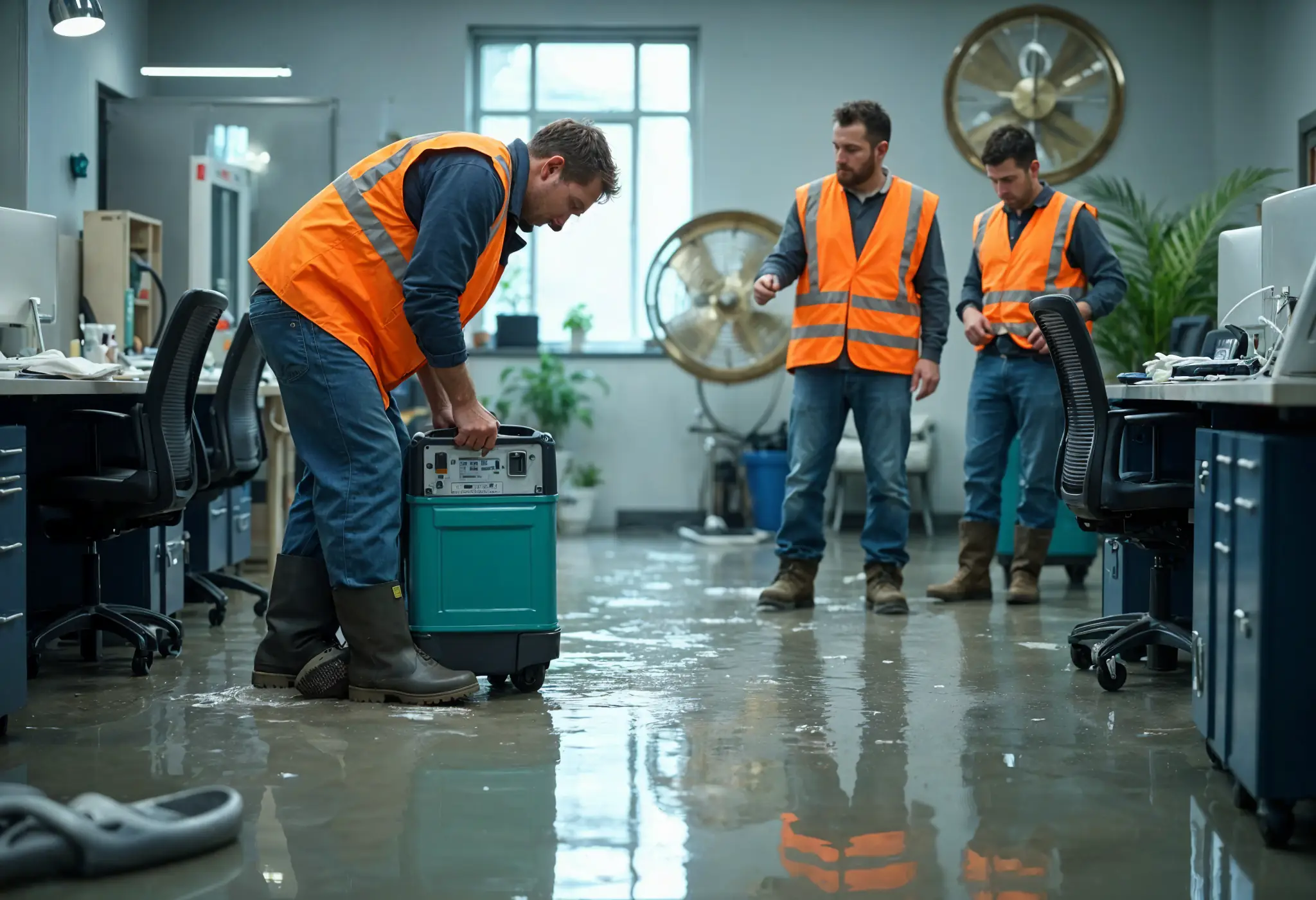
Our disaster restoration team brings equipment capable of handling properties throughout Dripping Springs' spread-out areas. Industrial water extraction machines, commercial dehumidifiers, generators for properties where power might be out longer in more remote areas, and thermal imaging cameras detecting moisture in various construction types common in Hill Country homes. Whether you're dealing with flood cleanup after storms that cause flash flooding following terrain contours, smoke damage from fires, or mold remediation in properties where limestone foundations and hillside construction create moisture challenges, we've handled these situations throughout residential and commercial properties in Dripping Springs.
The reality about emergency restoration service in spread-out areas like Dripping Springs is that response time and self-sufficient equipment matter more than in urban areas. Properties might be miles from town on winding roads. We come prepared with everything needed, inspect thoroughly understanding how Hill Country properties are built and how terrain affects damage patterns, we recommend solutions based on actual needs (not inflating bills), and we handle everything from minor issues to major reconstruction after fires or severe storms. Insurance claims for Dripping Springs properties sometimes require additional documentation because rural property values and construction costs differ from suburban norms.