
By Disaster Relief Restoration & Mold Remediation, Inc. | December 2025
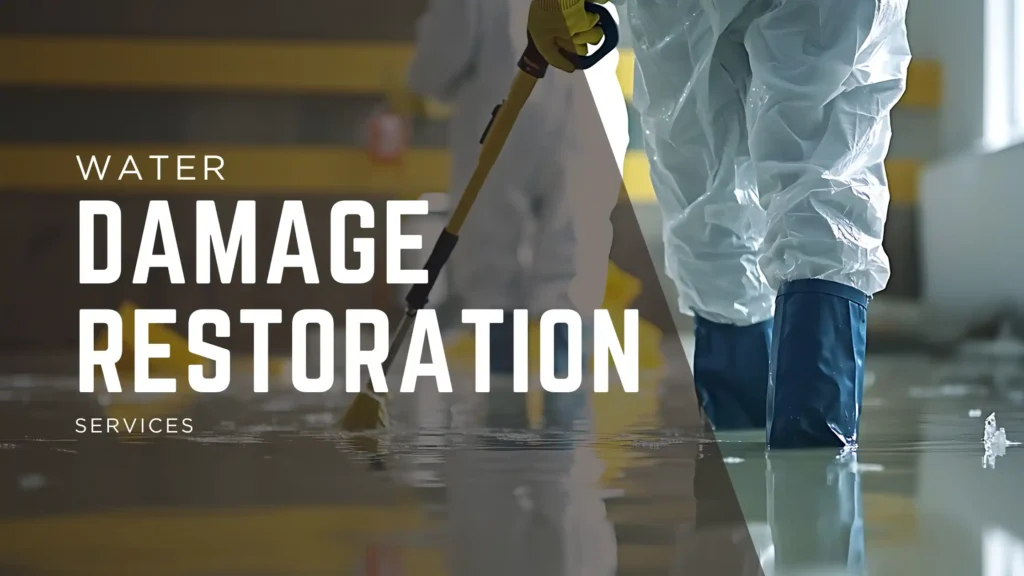
Nobody thinks about water damage until they’re standing ankle deep in it. I’ve been in this business long enough to watch homeowners go from confident to panicked in about three seconds flat when they realize what’s happening. The thing about water in your house is that it doesn’t wait around for you to make a plan. It seeps into your subfloor while you’re still on hold with your insurance company. It wicks up your drywall while you’re trying to figure out where your main water shutoff is. And in Dayton’s humid summers, mold starts growing before you even realize you had a problem.
This isn’t meant to scare you. It’s meant to prepare you. Because the difference between a $3,000 repair and a $30,000 nightmare often comes down to what happens in those first few hours.
Why Dayton Homes Face Unique Water Damage Risks
Living in the Miami Valley means dealing with water challenges that people in other parts of the country don’t understand. We’re sitting at the confluence of three rivers. The Great Miami and the Stillwater and the Mad River all meet right here in our backyard. That’s beautiful for kayaking on weekends and terrible for drainage when storms roll through.
The Great Dayton Flood of 1913 killed over 360 people and remains the worst natural disaster in Ohio history. That flood even damaged the Wright Brothers’ workshop and ruined a bunch of their photographic plates documenting early flight experiments. That’s why we have the Miami Conservancy District and all those dry dams you might have driven past without knowing what they were. The flood control works pretty well for major disasters now. But it doesn’t help much when your sump pump fails during a spring thunderstorm or when an ice dam backs up under your roof shingles in February.
Even city infrastructure causes problems when you least expect it. That water main break on Gettysburg Avenue back in November flooded an entire block before crews could get it under control. When water comes from sources you never anticipated you need help fast.
Our clay soil is another factor most people don’t think about. Unlike sandy soil that drains quickly, Montgomery County’s heavy clay holds water against your foundation like a sponge pressed against a wall. That constant hydrostatic pressure finds every crack and weak point in your basement walls. It’s why so many older homes in neighborhoods like Old North Dayton and Belmont have recurring seepage issues that seem impossible to solve permanently.
The Seasonal Pattern Most Locals Recognize
If you’ve lived here more than a couple years you already know the rhythm. Late February through April brings the freeze and thaw cycle that bursts pipes and creates ice dams. Those bitter cold snaps where it drops below zero for a week are especially rough on homes with pipes running through exterior walls or unheated crawl spaces. The pipes that freeze are almost always the ones you didn’t know were there until they burst.
Spring means snowmelt and heavy rains hitting saturated ground. Sump pumps that worked fine all winter suddenly can’t keep up. I’ve seen basement floods happen within an hour of a pump failure during peak spring storms. The water table rises and the ground can’t absorb any more and basements become swimming pools. Riverside and Kettering neighborhoods built in the 1950s and 60s seem to get hit especially hard because their drainage systems were designed for a different era.
Summer brings a different problem. Our humidity averages over 70% from June through August. That means any moisture that gets into your walls or under your floors creates perfect conditions for mold growth. What might take two weeks to become a mold problem in Arizona takes 24 to 48 hours here. The window for proper drying is incredibly short.
The First 60 Minutes Make All the Difference
Here’s what actually matters when you discover water where it shouldn’t be. First stop the source if you can. That means knowing where your main water shutoff is before you need it. If you don’t know then go find it today. Seriously. Put this article down and go locate it. For most Dayton homes it’s in the basement near the front of the house or in a utility closet.
If the water is coming from rain or groundwater you obviously can’t shut it off. Focus on protecting what you can. Move furniture off wet carpet. Get boxes and belongings up off the floor. Prop up couch cushions so air can circulate underneath. These small actions save thousands in content damage.
Do not try to use your home vacuum on standing water. Regular vacuums aren’t designed for water extraction and you’re risking electrical shock. A shop vac rated for wet pickup is okay for small amounts but for anything beyond a minor spill you need professional extraction equipment. The truck mounted extractors we use remove water at rates your shop vac can’t match.
Why Your Wet Vac and Box Fans Won’t Cut It
I understand the impulse to handle things yourself. Nobody wants to spend money on restoration if they don’t have to. But here’s what happens when people try to dry flooding with household equipment. They remove the visible water and run some fans for a few days. The carpet feels dry. The floor looks okay. They think they’re in the clear.
Three weeks later there’s a musty smell. Six weeks later they’re seeing discoloration on baseboards. Two months later they’re calling us to tear out walls that are completely contaminated with mold that grew in the moisture trapped behind the drywall.
Just last month we got called to a split-level in Kettering where the homeowner tried drying things himself for two weeks after a supply line failed. By the time we got there the mold had spread into three rooms and we had to remove over 400 square feet of drywall. What started as maybe a $5,000 job turned into $18,000. I hate seeing that happen because it’s preventable.
Professional drying equipment isn’t just stronger versions of what you have at home. Commercial dehumidifiers remove 20 to 30 gallons of water per day from the air. Industrial air movers create specific airflow patterns that pull moisture out of building materials. Moisture meters and thermal imaging cameras reveal water hiding in places you’d never think to check. The subfloor under your laminate. The insulation in your walls. The OSB sheathing above your ceiling. All of it holds water and all of it grows mold if it’s not dried properly.
Understanding Water Categories and Why It Matters
Not all flooding is the same. The industry uses categories to classify contamination levels and the category determines how the cleanup needs to happen. These standards come from the IICRC S500 guidelines that all certified restoration companies follow.
Category 1 is clean water from a supply line break or faucet. It’s sanitary when it first appears but doesn’t stay that way long. After 24 to 48 hours sitting in your carpet or walls clean water picks up enough bacteria and contaminants to become Category 2.
Category 2 is gray water. Think washing machine overflows and dishwasher leaks and aquarium failures. It has enough contamination to cause illness if ingested and requires more aggressive cleaning and disinfection.
Category 3 is what we call black water. Sewage backups and river flooding and water that’s been stagnant for extended periods all fall here. This requires full protective equipment and proper containment and disposal according to health department regulations. Materials soaked by Category 3 water often can’t be saved and must be removed completely.
The category matters because it determines what can be cleaned and what has to go. Trying to save Category 3 contaminated materials puts your family’s health at risk. A professional assessment tells you exactly what you’re dealing with.
The Insurance Reality Most People Learn Too Late
Your homeowner’s policy probably covers water damage but the details matter more than most people realize. Most policies cover sudden and accidental situations like a burst pipe or appliance failure. They usually don’t cover flooding from outside sources which requires separate flood insurance through FEMA. They also don’t cover damage that results from lack of maintenance like a slow leak you ignored for months.
Documentation is everything. Before you start cleaning up take photos and video of everything. The standing water depth. The affected areas. Damaged belongings. The source if you can identify it. This documentation supports your claim and helps prevent disputes later.
We helped a family in Riverside last spring who almost lost their entire claim because they started cleanup before documenting anything. They were so panicked about the water that they just started pulling up carpet. Luckily they called us before throwing anything away and we were able to photograph the damage to the subfloor and padding. Their claim went through but it was a close call.
One thing people don’t realize is that professional restoration companies work with insurance daily. We understand what documentation adjusters need and how to write estimates that get approved and what the policy actually covers. That’s not something most homeowners deal with often enough to be good at. Working with a company that handles insurance communication takes a huge burden off you during an already stressful time.
When Mold Becomes Part of the Equation
Mold needs three things to grow. Moisture and organic material to feed on and temperatures between about 40 and 100 degrees. Your home provides two of those year round. Add moisture from water intrusion and you’ve got all the conditions for rapid mold growth.
In Ohio’s climate mold can start colonizing within 24 to 48 hours of water exposure. You won’t see it that fast because it starts growing in the areas with the most moisture which are usually hidden. Behind the drywall. Under the flooring. Inside wall cavities. By the time you see visible mold the colony is already established and spreading.
The health effects depend on the type of mold and individual sensitivity. Some people have severe allergic reactions. Others experience respiratory problems or persistent headaches. Children and elderly residents tend to be more susceptible. Regardless of who lives in your home mold isn’t something to ignore or try to handle with household cleaners.
Professional mold remediation involves containment to prevent spore spread. We remove contaminated materials and run HEPA filtration to clean the air and treat surfaces with EPA registered antimicrobials and then verify everything with testing. Bleaching visible mold doesn’t address the root system or the spores that have already dispersed. It’s like cutting weeds at ground level instead of pulling them out.
Choosing a Restoration Company: What to Look For
When you’re standing in a flooded basement at 2 AM you’re not in a position to carefully evaluate contractors. That’s why it’s worth thinking about this before you need it.
Look for IICRC certification. The Institute of Inspection Cleaning and Restoration Certification sets the industry standards for water damage restoration. Companies following IICRC protocols are using proven methods for assessment and drying and restoration. It’s not a guarantee of quality but it’s a baseline of competence.
Response time matters more than almost anything else. A company that can’t get to you for 12 hours isn’t much help when water is actively destroying your home. Ask about emergency response before you need it. Companies with true 24 hour service have technicians on call around the clock not just an answering service that takes messages.
Local presence is more important than national name recognition. A local company understands Dayton’s specific challenges. They know which neighborhoods have foundation drainage problems. They’ve dealt with our clay soil and humid summers. They can get to you faster because they’re not dispatching from three counties away.
Ask about equipment. Professional restoration requires commercial extractors and industrial dehumidifiers and air movers and moisture meters and thermal imaging cameras. Companies trying to do this work with inadequate equipment can’t achieve proper results no matter how hard they try.
Prevention Steps That Actually Work
You can’t prevent every water disaster but you can cut your risk way down. Here’s what makes the biggest difference based on the damage we see most often.
Replace washing machine hoses every five years even if they look fine. Rubber hoses are the number one cause of catastrophic home flooding. Braided stainless steel hoses last longer and fail less dramatically. Same goes for dishwasher and ice maker supply lines.
Know your water heater’s age. Most tank water heaters last 8 to 12 years. After 10 years the risk of failure goes up fast. A new water heater costs around $1,200 installed. A water heater failure in your finished basement costs a lot more than that.
Test your sump pump before storm season. Pour a bucket of water into the pit and make sure the pump activates and removes the water. Consider a battery backup system if your pump relies on electricity that tends to go out during the same storms that cause flooding.
Keep gutters clean and make sure downspouts discharge at least six feet from your foundation. Water pooling against your basement walls will eventually find its way in.
Insulate pipes in unheated spaces before winter. The Red Cross recommends focusing on pipes in crawl spaces and against exterior walls and in attics. A few dollars of pipe insulation prevents thousands in damage.
What To Do Right Now
Here’s a five minute checklist you can do today. Go find your main water shutoff and make sure it actually turns. Check the date on your water heater. Look at your washing machine hoses. Save a restoration company’s number in your phone. That’s it. Those four things put you ahead of 90% of homeowners who will be scrambling when something goes wrong.
If you’re already dealing with water in your house right now stop reading and call someone. Every hour you wait is an hour that water is soaking deeper into materials and mold spores are finding new places to grow. The middle of a crisis is not the time to research your options.
And if the worst happens don’t try to tough it out with a shop vac and some fans. The money you think you’re saving usually turns into much bigger bills down the road when hidden damage becomes visible damage and mold becomes a health hazard.
If you’re dealing with water damage right now or want to learn more about protecting your Dayton home Disaster Relief Restoration & Mold Remediation provides 24/7 emergency response throughout the Miami Valley. We’ve been helping local families recover from water disasters for years and we understand exactly what Dayton homeowners are up against.
Call us anytime: (813) 328-4604
We serve Dayton and Kettering and Riverside and Cincinnati and Norwood with the same commitment to fast professional service. Real people answer our phones ready to help not an automated system making you wait while your basement fills with water.